 +90 507 418 36 78
Understanding Liabilities: Definitions, Types, and Key Differences From Assets

An asset is anything that a firm owns and has a financial value, such as plant & machinery, revenue, etc. Like income, expenses are also measured every period and then closed as part of capital. With a current ratio above 2, the company can comfortably meet its short-term obligations, demonstrating strong liquidity. This implies that the company has a relatively higher degree of reliance on debt financing, which may raise concerns about its ability to meet obligations if financial difficulties arise.
Impact on financial statements
Clarify the key accounting difference between a liability (obligation) and an expense (cost). The initial cash payment creates an asset called Prepaid Insurance, not an expense or a liability. This asset represents the right to receive coverage over the contract period. Each month, as the coverage is consumed, the firm recognizes an Insurance Expense and simultaneously reduces the Prepaid Insurance asset. The core distinction between an expense and a liability lies in their purpose and their placement within the primary financial reports. Expenses are utilized to measure the financial performance of the business over a defined period, such as a fiscal quarter or year.
Examples of assets and liabilities in accounting
When those entries are off, even slightly, it distorts your ability to manage runway, forecast cash flow, and maintain trust in the numbers. Deferred revenue often surprises founders because the cash is in the bank, yet still a liability; the company owes the customer are liabilities an expense future service. Notes payable that mature within twelve months migrate into the current section to highlight near-term cash commitments. The IRS charges penalties of 2%–15% when those deposits arrive late. Bonds payable record debt issued to investors and often carry restrictive covenants that reference the very ratios clean bookkeeping supports.

Expense vs liability

These expenses are recorded in the income statement and the corresponding liability is reported in the balance sheet. Examples of accrued expenses include wages payable, interest payable, and rent expenses. A liability is an obligation or debt a business must pay in the future. It can arise from loans, services received but not paid for, or any other financial obligation.
High expenses can decrease profitability, impacting overall financial performance. When an expense is incurred, it is subtracted from the company’s revenue to determine the company’s gross profit or operating income, depending on the nature of the expense. Ultimately, expenses reduce the company’s net income, which is the final figure after all revenues and expenses have been accounted for. Expenses are typically measured in monetary terms and are deducted from revenue to calculate a company’s net income.
- These obligations can represent substantial financial commitments and impact a company’s financial health and creditworthiness for years to come.
- A bill issued by a seller of merchandise or by the provider of services.
- Short-term liabilities, also known as current liabilities, are obligations that are typically due within a year.
- Current liabilities are obligations that are expected to be settled within one year or the operating cycle of a business, whichever is longer.
- Listed in the table below are examples of current liabilities on the balance sheet.
- Fixed assets are tangible assets with a life span of at least one year and usually longer.
Meanwhile, expenses are generally recorded on an accrual basis in order to ensure that they match up with the revenues reported in accounting periods. Expenses are used to calculate net income using the equation, revenues minus expenses. The proceeds of the bank loan are not considered to be revenue since Accounting Security ASC did not earn the money by providing services, investing, etc. As a result, there is no income statement effect from this transaction. For the accounting period of the four days ended December 4, there is no revenue or expense to be reported on the income statement.
Liability definition:
- These classification errors don’t just affect your books—they can lead to cash flow surprises, compliance issues, and poor business decisions based on inaccurate data.
- Equity, which reflects the owner’s share in the business, totals $240,545, made up of $174,227 in common stock and $66,318 in retained earnings.
- Deferred revenue is money you get before providing goods or services.
- As you can see, ASC’s assets increased and ASC’s liabilities increased by $7,000.
- You’ll look at these often when checking a client’s short-term financial health or planning for cash flow.
An asset account is a general ledger account used to sort and store the debit and credit amounts from a company’s transactions involving the company’s resources. It will become part of depreciation expense only after the equipment is placed in service. We will assume that as of December 3 the equipment has not been placed into service. QuickBooks Therefore, there is no expense (or revenue) to be reported on the income statement for the period of December 1-3.
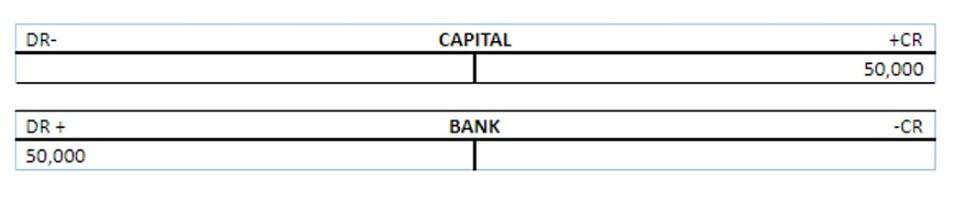
Each month, as the company fulfills its obligation by providing the service, the Unearned Revenue liability is reduced. That reduction is simultaneously offset by the recognition of Service Revenue, which flows through the Income Statement. Because cash has not yet been paid, a liability (Accrued Expenses or Accounts Payable) is immediately created on the Balance Sheet. The expense is recognized before the cash outflow, establishing the obligation. When the cash is paid later, the liability is reduced, and no new expense is recognized.
