12 7: Horizontal and Vertical Trend Analysis Business LibreTexts

horizontal analysis formula

First, accounting we need to take the previous year as the base year and the last year as the comparison year. As we see, we can correctly identify the trends and develop relevant areas to target for further analysis. As in the prior step, we must calculate the dollar value of the year-over-year (YoY) variance and then divide the difference by the base year metric.

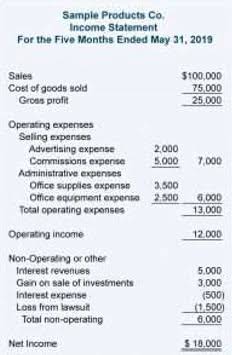
Comparative Income Statement With Horizontal Analysis

  • The priority here should be to identify the company’s areas of strengths and weaknesses to create an actionable plan to drive value creation and implement operating improvements.
  • Analysts must perform horizontal analysis of all major financial statements as key financial metrics are closely linked for all of them.
  • To calculate the percentage change, first select the base year and comparison year.
  • Choose a baseline year or accounting period for the horizontal analysis by gathering relevant financial statements.
  • In contrast, horizontal analysis compares data over multiple periods, revealing trends and changes over time.
  • Individuals need to ensure that the gap between each financial statement remains consistent.

Liability analysis through horizontal analysis exposes financial strategy and risk management. Short-term loan increases might indicate temporary cash flow challenges, while long-term debt growth could signal expansion financing or strategic acquisitions. Balance sheet horizontal analysis reveals how companies deploy capital and manage financial risk over time. It’s where you discover whether horizontal analysis formula growth is being funded through debt or equity, how efficiently assets are being utilized, and whether working capital management is creating or destroying value. The income statement becomes a treasure trove of insights when viewed through the horizontal analysis lens. Each line item tells part of a larger story about operational efficiency, market positioning, and strategic execution.

  • However, more than two financial statements need to be compared to obtain more reliable results for proper financial analysis.
  • These and similar questions call attention to areas that require further study.
  • These changes are expressed as percentages, making it easier to assess the significance of the differences.
  • Horizontal analysis is important for companies as it helps to easily spot trends and analyse the growth patterns of specific items.
  • Horizontal analysis is considered a beneficial approach for companies to ascertain their financial performance, but it is characterised by certain criticism as well.
  • Some of the earliest documented uses of horizontal analysis date back to the 1920s and 1930s when accounting textbooks and publications began covering it as an important analytical approach.

Consolidated Cash Flow Statement: Definition, Example, and Modern Approach

horizontal analysis formula

It’s called “horizontal” because the data in financial statements is laid out, and compared side by side, or horizontally. For example, if net sales increase from \$58,081 to \$65,455, the percentage change is approximately 12.7%. This method can be applied to various financial statements, including income statements and balance sheets.

Vertical Analysis Formula
horizontal analysis formula

For example, going from $10,000 in debt to $50,000 will show a 500% increase. That’s not really a problem if Outsource Invoicing the company is generating $1 million in revenue. If your revenue is trending down for the last six quarters, is that because you’re doing something wrong, or is the economy in a recession? The horizontal analysis also highlights areas to take a closer look at.

  • In order to improve the horizontal analysis accounting, a variance column could be added for each year showing the change in absolute amount between each year.
  • It shows how certain numbers in a balance sheet, income statement, or cash flow statement have changed from one accounting cycle to another.
  • This method reveals how much of the total revenue each expense or income item represents.
  • As an alternative, vertical analysis can be carried out where each line item is calculated as a percentage of a base line item for each year.
  • This means there is a 20% increase in revenue compared to the previous year.

Unlock Your Business Potential with OneMoneyWay

In the end, horizontal analysis turns financial data into actionable insights. Now that you’ve gained a comprehensive understanding of horizontal analysis and its advanced techniques, it’s time to explore its real-world applications. Horizontal analysis is a versatile tool with a wide range of practical uses in various aspects of finance and business. Operating cash flow is a key indicator of a company’s ability to generate cash from its core business operations. Analyzing operating cash flow trends over time can reveal how effectively the company manages its day-to-day cash flow and whether it is self-sustaining. Equity represents the owners’ stake in the company and is a key indicator of the company’s net worth.

How to Automate Expense Reporting in 5 Steps

expense management automation

Large companies, especially those based in or focused on Germany, with high volumes of expenses and invoices that want deep automation and AI-led compliance. That said, Zoho Expense is ultimately built to serve general SMB needs, not to go deep in areas like global compliance, advanced ERP integrations, or enterprise-grade controls. While functional, the user experience and flexibility may fall short for fast-scaling or international companies looking for a more modern, specialised solution. In a world of endless possibilities, we enable people & organizations to succeed with our innovative solutions by blending automation, people, process & security 365 days. Expense management tools provide real-time access to the company expenditure enabling managers to get a clear view of the amount of budget they have utilized and the remaining amount.

“Shoeboxed makes it stupid simple to scan receipts…”

  • Expense management automation is the process of using software to digitize and automate all manner of tracking, reporting, and reimbursing business expenses.
  • This puts most expenses straight through to process while only those that need an extra set of eyes are held back.
  • With Divvy, managers can allocate budgets, approve expenses, and monitor employee spending in real-time.
  • Regularly evaluate and adjust processes based on user and stakeholder feedback.
  • The wrong choice can lock you into inflexible workflows, create compliance headaches, or fail to scale with your growth.

But, with expense management automation, you can set the software to handle everything. Rather than having employees advance money, you can issue cards to employees with built-in controls, and completely eliminate the expense report and reimbursement process. This type of technology eliminates the need for manual data entry, tedious tasks, and paper-based processes. Staff can quickly submit expenses, and the system will automatically process, categorize, and pay them. Not only does this streamline workflows, it saves time, reduces errors, and accelerates the entire reimbursement process. https://www.bookstime.com/ Expense management automation software seamlessly integrates with accounting software, enabling an automatic transfer of approved expenses into the general ledger.

Benefits of Automating Expense Management

Integrating Bank Checks, Hotel Folios, and Flight Itineraries transforms your app into a travel and expense management powerhouse that delivers what enterprise customers actually need. Make data analysis a part of your financial operations, whether you do it weekly, monthly, or quarterly. This gives you a real-time picture of your business’s financial health, allowing you to make data-driven decisions to improve forecasting, reduce costs, and boost overall efficiency. It turns raw spending data into strategic insights, and it can guide future budget management. While not all platforms offer the same level of detailed reports, most include analytics and reporting as key features.

Train and Retrain Your Team

expense management automation

Yokoy offers powerful AI and automation, but its feature set is built with large, complex enterprises in mind. Smaller teams or companies just getting started with expense automation might find it overwhelming, and international support is still growing. The right software gives companies the control they need to scale, without turning expense management into a full-time job. Read on to learn everything you need to know about what expense management automation is and why you need it for your business. When expenses are easy to submit and reimbursements are fast, employees are more likely to comply and feel valued.

The Hidden Costs of Manual Expense Processing

expense management automation

The platform has various important features, including real-time policy alerts, expense tracking and customizable reports. It also has corporate card feeds that update continuously, so you can easily monitor every business expense. Set spending limits, require receipts for certain categories, and let the system do the heavy lifting. If an expense report error pops up—like a hotel charge that exceeds your nightly cap—the system notifies both the employee and the approver right away.

expense management automation

Integrations

So once you’ve rolled out automated expense management, how do you track success? How do you show leadership that this wasn’t just a flashy software play, but a legit operational win? Key metrics include tracking improvements in cash flow and the efficiency of expense management automation financial processes, as these directly impact your organization’s financial health and decision-making.

These insights help businesses spot inefficiencies, reduce overspending, and fine-tune their expense strategies with data-backed decisions. Gain full oversight of employee expenses by managing all spending in one centralized platform. Adopting automation enables organizations to simplify their financial workflows, reduce mistakes, and concentrate on their primary business goals for spend analysis. Sage Expense Management’s real-time credit card feeds offer a revolutionary way to manage company card expenses. According to a Brex Survey, 31% of companies cited struggled with integrating software as their primary challenge with T&E systems. Incompatibility between platforms can lead to data silos, manual workarounds, and inefficiencies that defeat the purpose of automation.

expense management automation

How to Implement Expense Management Automation

That’s because many expense automation systems are very complex to both set up and use. Your employees could find it challenging to learn Suspense Account the nitty-gritty of the system. Therefore, choosing a system that offers the best user experience and is easy to navigate is always best.

Blockchain Reconciliation vs Intercompany Reconciliation in Accounting

blockchain intercompany reconciliation

They will also include references to other relevant information, such as currency rates, payment amount, and the intercompany reconciliation nature of the transaction. Intercompany reconciliation is performed much like other forms of account reconciliation. Oracle sets you up for success with complimentary resources to help you deploy your blockchain network. Easily connect diverse on-premises or cloud back-office systems and clients to drive blockchain transactions and consume blockchain events. Built-in API gateway supports REST APIs, event subscriptions with callbacks, and custom user enrollments. Easily create a permissioned, multiparty blockchain network for secure collaboration in minutes.

blockchain intercompany reconciliation

Future Trends in Intercompany Transaction Management

This enables accurate real-time consolidated financials, not just faster batch updates. The technology and processes to achieve this already exist – they just need to be implemented correctly. Like intercompany payables, all intercompany receivables ultimately need to be eliminated in the final consolidated financial statement. For this reason, we recommend that all companies invest in software to automate the process. Read this new Oracle Blockchain ebook to learn the benefits of enterprise blockchain, how it has been used across industries, and why Oracle leads the way in bringing blockchain to the enterprise.

  • To solve this problem, we built SoftLedger, which automates the intercompany reconciliation process.
  • Look for software with advanced algorithms like fuzzy matching and machine learning for complex scenarios.
  • Given nowadays complex macroeconomic environment, as well as regulatory and investors’ pressures, banks are forced to seek new ways of lowering costs and increasing profitability.
  • Using blockchain and cloud technology, wepioneered Payments-as-a-Service to digitize and automate your entire cashlifecycle.
  • The required manual filtering and settling of these balances from multiple entities in disparate systems can challenge the function.

Integration with Existing Financial Systems

In the meticulous realm of accounting, reconciliation stands as a cornerstone process, dedicated to ensuring the harmonious alignment of two sets of records. Its primary objective lies in the identification and rectification of discrepancies between various financial accounts, statements, or documents. Another success story comes from a tech giant that turned to blockchain technology to enhance transparency and security in its transactions. The decentralized ledger provided an immutable record of each transaction, accessible by all parties involved, which drastically cut down the time spent on reconciliations and disputes. To illustrate these points, consider the example of a multinational corporation that operates in over 30 countries.

Best Practices for Efficient Subledger Reconciliation

blockchain intercompany reconciliation

These timing mismatches create temporary discrepancies that must be identified and adjusted during reconciliation. Successfully transitioning from manual to automated bank reconciliation requires careful planning and execution. Following these best practices helps ensure your automation initiative delivers maximum impact from day one. Manual reconciliation typically introduces errors due to data entry mistakes, misaligned decimal points, and transposition errors when staff manually key in figures.

  • Understanding who does what is vital to align governance, adoption, and measurable value.
  • Due to the effective and efficient reconciliation, the manual and IT-dependent controls from the internal control work program became obsolete and all entries are zero-balanced.
  • Address these risks with disciplined scope, privacy-by-design, strong governance, and measurable economics.
  • This also makes it highly flexible, so you can build out your own customizations to fit specific needs.
  • Managing intercompany accounts is a complex task that requires meticulous attention to detail and a strategic approach.
  • Transparency has increased thanks to “shared ledgers.” In the current situation, the financial ERP is leading in financial accountability.

blockchain intercompany reconciliation

The future of intercompany transaction management is poised to be shaped by several key trends that aim to streamline processes, reduce errors, and enhance transparency. Intercompany accounts are pivotal in the financial Liability Accounts landscape of any conglomerate or group of companies with multiple subsidiaries. These accounts represent the financial transactions that occur between separate legal entities within the same parent company. The importance of intercompany accounts cannot be overstated, as they are essential for accurate financial reporting, compliance with tax laws, and effective internal controls.

They help companies reconcile various accounts, like general ledger accounts and credit card statements. They help match https://www.bookstime.com/ transactions from different sources automatically, cutting down on manual work and errors. Look for software with advanced algorithms like fuzzy matching and machine learning for complex scenarios. Automated reconciliation software also boosts compliance and audit readiness.

Sign in to Access Your Intuit Products Account

What does it mean to be paid in arrears?

billed in arrears meaning

To catch up, you would need to make two payments in July (one for June and one for July). There might be times when regular payment is behind because it is overdue. Using SubscriptionFlow’s billing in arrears service, you can maintain accuracy in billing as customers are charged according to their actual use.

billed in arrears meaning

Why run payroll in arrears

This gives the customer more security, but may leave you worried about your cash flow. As a small business, you may agree to be paid in arrears for your services. For example, a client may agree to pay you in arrears, or you may pay your staff in arrears. As a small business owner, you may wonder what ‘paying in arrears’ means.

billed in arrears meaning

Not Suitable for All Business Models

billed in arrears meaning

Additionally, managing an arrears payroll system can be complex and time-consuming for HR and accounting departments. Many small businesses and service providers choose to bill in arrears. This way, they can ensure they include all services provided, possibly missed at the project’s start. It helps avoid mistakes that might lead to overcharging or undercharging customers. So, it’s crucial to use this method only if you understand your cash flow requirements and are confident in delivering the promised services or goods. Billing in arrears means that you send a bill to customers after a job is complete.

How Paid in Arrears Works

  • For example, freelancers who charge by the hour will usually ask for payment in arrears rather than in advance.
  • When you bill in arrears, there’s a potential delay in receiving payments, which could strain your cash flow if not managed properly.
  • This gives the customer more security, but may leave you worried about your cash flow.
  • Having a lot of outstanding invoices can affect your credit and ability to receive financial assistance.
  • Remember, this is a broad approach, and the specifics might vary based on your business nature and contract terms.
  • A salary advance is a short-term loan given to an employee that allows them to access their wages before the scheduled payday.

We also make it easy to be paid in arrears using Direct Debit for recurring payments and Instant Bank Pay for one-off invoices or other additional fees. Take control over payment collection to ensure a smooth, stress-free experience for both you and your customers. Accounts payable refers to the money a company owes to its creditors. If you’re paying in arrears on accounts payable, making these payments on time is crucial.

  • With Joist, you can make collecting payments the easiest part of your business.
  • For example, a salaried employee may receive a paycheck on May 15th for work completed from May 1st to May 14th.
  • Invoices must go out to customers in a timely manner and you need to know which invoices are unpaid and in arrears.
  • This will tell the customer that the invoice will be paid in arrears — or after the job is done — but lays out a timeline in which the bill should be paid.
  • For example, a plumber usually asks for payment after successfully fixing a pipe or faucet.

What is billing in arrears and how can I reduce the risks?

Being paid in arrears also offers your QuickBooks Accountant client some sense of trust that you’ll be performing the job. Paying in advance before seeing the final results may seem risky to potential customers, especially if it’s a larger job that’s more expensive. To manage payments in arrears, it’s important to track expenses and income. Doing so will help you manage cash flow and look at what payments are owed to you and what payments you owe to creditors.

  • And, when an employee feels undervalued or unappreciated, engagement levels may decline.
  • It also provides municipalities with a stable timeline for receiving tax payments, which helps in budgeting for public services.
  • In a business that relies on subscriptions, “billing in arrears” means sending the customer their bill after they’ve already received the service or product.
  • This guide is intended to be used as a starting point in analyzing paid in arrears and is not a comprehensive resource of requirements.

Arrears Billing & Payments: What Does is Mean to Be Paid in Arrears?

billed in arrears meaning

Billing in arrears can complicate having the money to make payroll. Bankers Factoring gives same-day funding versus waiting days for payment. A business would bill in arrears when they’ve already provided a product or service and are requesting payment. Billed in arrears would typically be referenced by a seller, supplier, or contractor because they are the ones billing their clients for their services. You’re working with a freelance accountant CARES Act to help take some paperwork off your shoulders when running your small business. You and the accountant have agreed to a contract with net 15 payment terms, meaning you owe them payment within 7 days of being invoiced for their services.

What does in arrears mean for payroll?

billed in arrears meaning

It’s a straightforward way to make sure that customers pay for the exact services they’ve received. Billing in arrears simply means charging customers after they’ve received your services. billed in arrears meaning You use water and electricity all month, and then the company sends you a bill for that usage.

Church Payroll Services Church Plus System

best payroll service for churches

Ensure you have accurate Social Security numbers, tax forms (such as W-4s or ministerial exemption affidavits), direct deposit details, benefit QuickBooks ProAdvisor enrollments, and housing allowance agreements. Any discrepancies in this data can lead to setup errors, so investing time in reviewing the information is crucial. Choose an implementation period during a low-activity season to allow staff to train, test, and transition without the added pressure of year-end reporting, budget meetings, or major holidays.

best payroll service for churches

Is a church exempt from FUTA Federal Unemployment Tax?

best payroll service for churches

We will then provide a PDF file of checks to be printed on your best payroll service for churches check stock in your office. In this way, you maintain control over the issuance of checks and retain the ability to issue manual checks, if needed. Use our mobile app and employee self-service tools to keep your ministry team connected.

best payroll service for churches

Guides & Services

By using specialized payroll software, churches can streamline their payroll process, minimize errors, and maintain accurate records that satisfy tax authorities and internal audits. To sum it up, church payroll services can be a bit different than regular business payroll, due to tax exemptions and other factors. The five companies listed above are all highly rated and offer excellent customer service. If you’re looking for payroll software that will make your life easier, any of these providers would be a great choice, but please be sure to do your due diligence and research to ensure the company meets all your needs. We love churches, church staff, and church missions, and we want to help make everything your church is doing as effective as possible.

  • Online donation forms are customizable, mobile-friendly forms that can be seen in tools like Aplos that equip donors with the possibility to give directly from their computer or mobile device.
  • Automatically categorize bank transactions with improved matching for payees, accounts, and classes, limit data entry with batch editing, and quickly review and resolve discrepancies.
  • SurePayroll caters well to churches looking for flexible payroll options that fit tight budgets without sacrificing essential features.
  • Ready access to payroll reports, tax forms, and payment confirmations supports transparency and accountability—both critical for nonprofit organizations that depend on donor trust.
  • And with 30+ years of experience, we get things right when it comes to tax withholdings, payments, and filing FUTA exemptions.

QuickBooks Payroll: Best for Churches Already Using QuickBooks Accounting

Ready access to payroll reports, tax forms, and payment confirmations supports transparency and accountability—both critical for nonprofit organizations that depend on donor trust. Beyond compliance, payroll software frees administrative staff from repetitive manual tasks such as calculating taxes, issuing payments, and preparing reports. This efficiency allows church leaders to focus more on ministry work and less on paperwork. Yes, most churches and religious organizations are exempt from the Federal Unemployment Tax Act FUTA.

CONTROLLER SERVICES

best payroll service for churches

With powerful features and financial tools to help you grow, there are plenty of reasons to choose QuickBooks for church payroll and beyond. No, the church is not required to withhold federal income tax from a minister’s paycheck. The minister is considered personally responsible for paying their own taxes. However, a minister may elect to have the church voluntarily withhold federal and state income tax by completing a Form W-4, which is a common practice to avoid large tax bills at the end of the year. If your primary concern is having a specialist looking over your shoulder to ensure every single nuance of ministry tax law is followed, MinistryWorks is the way to go.

Payroll Services for Churches

A dedicated representative, as well as employer ID and tax set-up assistance, are top criteria. Sometimes, churches are on the lookout for HR advising and online resources or how-to guides. All organizations and businesses, including churches, need to file 1099s to inform the IRS about the income showing on the recipients’ income tax returns. The church is considered a reporting entity in this regard, much like any other business. OnPay is the best church payroll software for administrators who are looking for powerful system permissions to delegate HR and payroll tasks.

  • Aplos allows you to track donors, manage donations, allocate income and expenses, and the robust reporting capability lets you track donations with giving statements, budgets, funds by project, campaign, or department.
  • We offers an easy online tax and payroll management for churches with 1 employee to 200 employees that specifically meets the requirements of religious organizations.
  • Failure to comply can result in fines, interest charges, or audits, which drain valuable resources and distract from the ministry’s core mission.
  • The fund accounting software provides a general ledger, projects, grants, accounts payable and receivable, fixed assets, banking, and more.
  • Church payroll has unique laws, benefits, and exemptions that make it different from traditional corporate payroll.

Automates routine payroll tasks, freeing up HR to focus on strategic initiatives. Employees can view their pay details and benefits online, improving transparency and satisfaction. Keep accurate track of stock levels with Xero’s inventory software, where you can also populate invoices and orders with items you buy and sell. Please contact us for more information on the many time saving solutions we have available to you. We work with every client to tailor your payroll petty cash needs and streamline the process as much as possible.

Understanding Liabilities: Definitions, Types, and Key Differences From Assets

are liabilities an expense

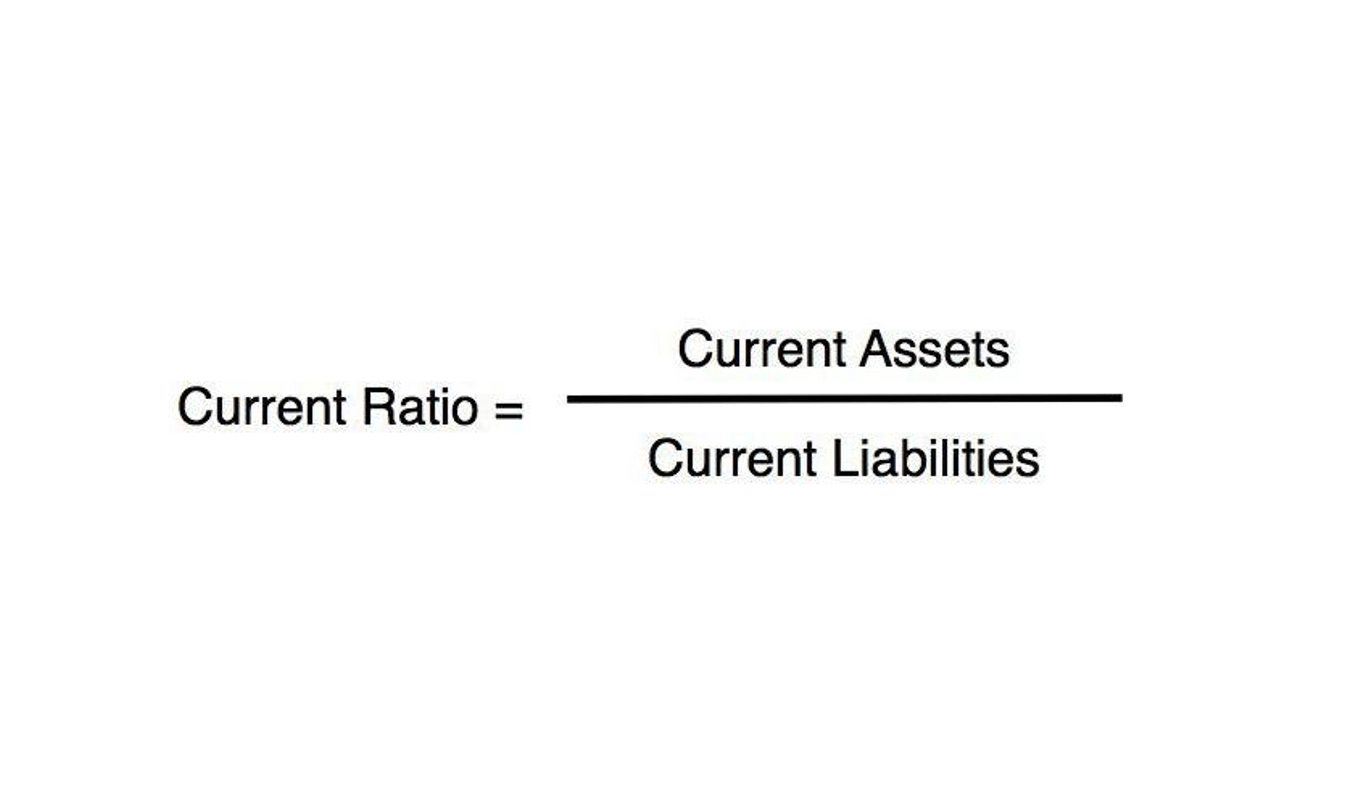
An asset is anything that a firm owns and has a financial value, such as plant & machinery, revenue, etc. Like income, expenses are also measured every period and then closed as part of capital. With a current ratio above 2, the company can comfortably meet its short-term obligations, demonstrating strong liquidity. This implies that the company has a relatively higher degree of reliance on debt financing, which may raise concerns about its ability to meet obligations if financial difficulties arise.

Impact on financial statements

Clarify the key accounting difference between a liability (obligation) and an expense (cost). The initial cash payment creates an asset called Prepaid Insurance, not an expense or a liability. This asset represents the right to receive coverage over the contract period. Each month, as the coverage is consumed, the firm recognizes an Insurance Expense and simultaneously reduces the Prepaid Insurance asset. The core distinction between an expense and a liability lies in their purpose and their placement within the primary financial reports. Expenses are utilized to measure the financial performance of the business over a defined period, such as a fiscal quarter or year.

Examples of assets and liabilities in accounting

When those entries are off, even slightly, it distorts your ability to manage runway, forecast cash flow, and maintain trust in the numbers. Deferred revenue often surprises founders because the cash is in the bank, yet still a liability; the company owes the customer are liabilities an expense future service. Notes payable that mature within twelve months migrate into the current section to highlight near-term cash commitments. The IRS charges penalties of 2%–15% when those deposits arrive late. Bonds payable record debt issued to investors and often carry restrictive covenants that reference the very ratios clean bookkeeping supports.

are liabilities an expense

Expense vs liability

are liabilities an expense

These expenses are recorded in the income statement and the corresponding liability is reported in the balance sheet. Examples of accrued expenses include wages payable, interest payable, and rent expenses. A liability is an obligation or debt a business must pay in the future. It can arise from loans, services received but not paid for, or any other financial obligation.

High expenses can decrease profitability, impacting overall financial performance. When an expense is incurred, it is subtracted from the company’s revenue to determine the company’s gross profit or operating income, depending on the nature of the expense. Ultimately, expenses reduce the company’s net income, which is the final figure after all revenues and expenses have been accounted for. Expenses are typically measured in monetary terms and are deducted from revenue to calculate a company’s net income.

  • These obligations can represent substantial financial commitments and impact a company’s financial health and creditworthiness for years to come.
  • A bill issued by a seller of merchandise or by the provider of services.
  • Short-term liabilities, also known as current liabilities, are obligations that are typically due within a year.
  • Current liabilities are obligations that are expected to be settled within one year or the operating cycle of a business, whichever is longer.
  • Listed in the table below are examples of current liabilities on the balance sheet.
  • Fixed assets are tangible assets with a life span of at least one year and usually longer.

Meanwhile, expenses are generally recorded on an accrual basis in order to ensure that they match up with the revenues reported in accounting periods. Expenses are used to calculate net income using the equation, revenues minus expenses. The proceeds of the bank loan are not considered to be revenue since Accounting Security ASC did not earn the money by providing services, investing, etc. As a result, there is no income statement effect from this transaction. For the accounting period of the four days ended December 4, there is no revenue or expense to be reported on the income statement.

Liability definition:

  • These classification errors don’t just affect your books—they can lead to cash flow surprises, compliance issues, and poor business decisions based on inaccurate data.
  • Equity, which reflects the owner’s share in the business, totals $240,545, made up of $174,227 in common stock and $66,318 in retained earnings.
  • Deferred revenue is money you get before providing goods or services.
  • As you can see, ASC’s assets increased and ASC’s liabilities increased by $7,000.
  • You’ll look at these often when checking a client’s short-term financial health or planning for cash flow.

An asset account is a general ledger account used to sort and store the debit and credit amounts from a company’s transactions involving the company’s resources. It will become part of depreciation expense only after the equipment is placed in service. We will assume that as of December 3 the equipment has not been placed into service. QuickBooks Therefore, there is no expense (or revenue) to be reported on the income statement for the period of December 1-3.

are liabilities an expense

Each month, as the company fulfills its obligation by providing the service, the Unearned Revenue liability is reduced. That reduction is simultaneously offset by the recognition of Service Revenue, which flows through the Income Statement. Because cash has not yet been paid, a liability (Accrued Expenses or Accounts Payable) is immediately created on the Balance Sheet. The expense is recognized before the cash outflow, establishing the obligation. When the cash is paid later, the liability is reduced, and no new expense is recognized.